Saturday, 23 May 2015

DAY 46. Cadiz

I have never been here before, so I was excited to explore this city. We docked in the downtown area, and it took a pleasent 5 hours walk to visit the city's most important spots.

Cádiz is a city and port in southwestern Spain. It is the capital of the province of Cádiz, one of eight which make up the autonomous community of Andalusia.
Cádiz, the oldest continuously inhabited city in Spain and one of the oldest in western Europe, has been a principal home port of the Spanish Navy since the accession of the Spanish Bourbons in the 18th century. The city is a member of the Most Ancient European Towns Network.
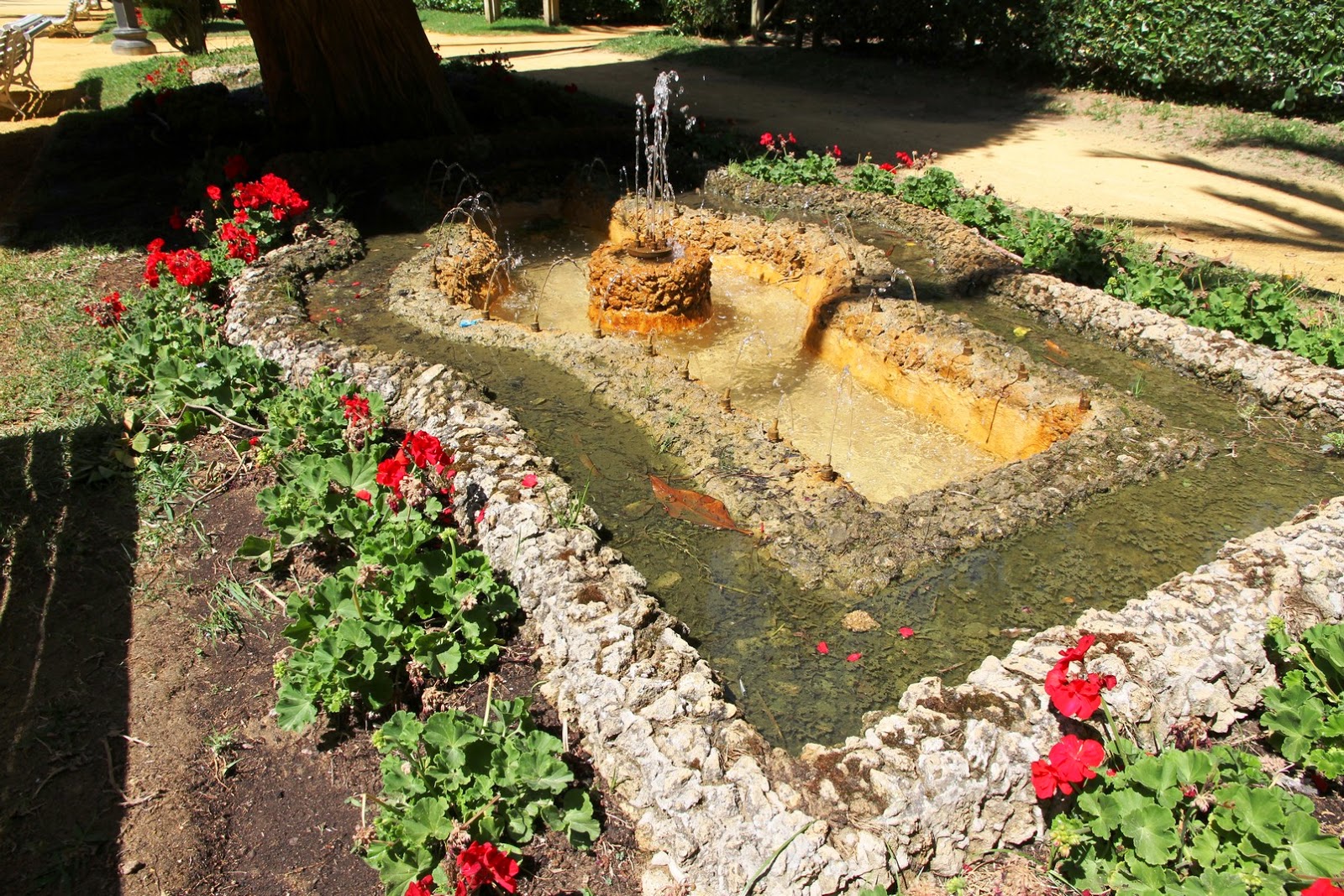
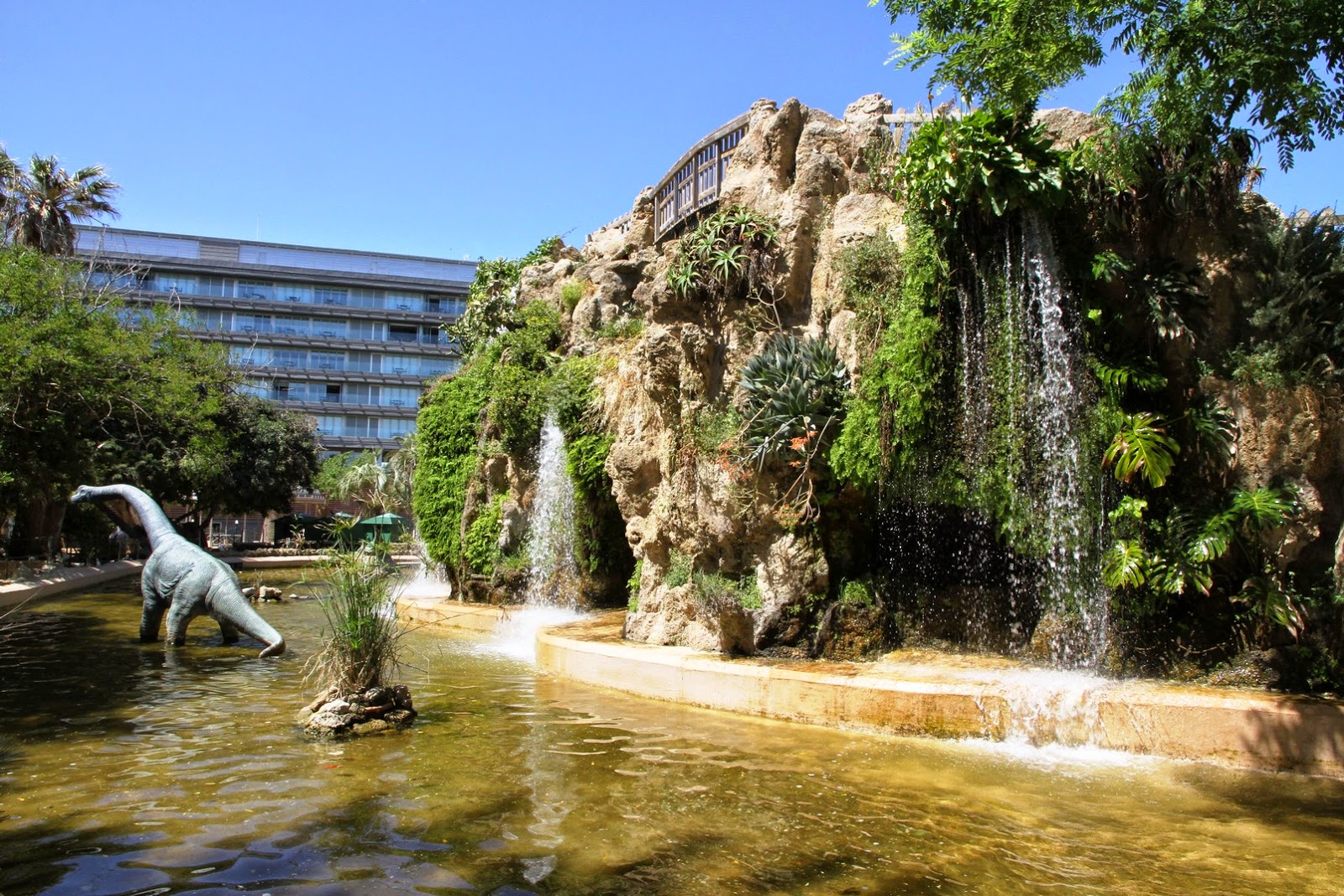
Despite its unique site—on a narrow slice of land surrounded by the sea‚ Cádiz is, in most respects, a typically Andalusian city with a wealth of attractive vistas and well-preserved historical landmarks. The older part of Cádiz within the remnants of the city walls is commonly referred to as the Old Town. It is characterized by the antiquity of its various quarters (barrios), among them El Pópulo, La Viña, and Santa María, which present a marked contrast to the newer areas of town. While the Old City's street plan consists of narrow winding alleys connecting large plazas, newer areas of Cádiz typically have wide avenues and more modern buildings. In addition, the city is dotted with numerous parks where exotic plants flourish, including giant trees supposedly brought to Spain by Columbus from the New World.


DAY 43-45. Lisbon

After the Azores 1 day at see, and MSC DIVINA has reached the continent.

Lisbon the capital and the largest city of Portugal, with a population of 552,700 within its administrative limits in an area of 100.05 km² Its urban area extends beyond the city's administrative limits with a population of around 2.7 million people, being the 11th-most populous urban area in the European Union. About 2.8 million people live in the Lisbon Metropolitan Area (which represents approximately 27% of the country's population). It is the largest westernmost city located in continental Europe, as well as the westernmost capital city and the only one along the Atlantic coast. Lisbon lies in the western Iberian Peninsula on the Atlantic Ocean and the River Tagus.
Lisbon is recognised as a global city because of its importance in finance, commerce, media, entertainment, arts, international trade, education and tourism.[6][7] It is one of the major economic centres on the continent, with a growing financial sector and one of the largest container ports on Europe's Atlantic coast. The city is the 7th-most-visited city in Southern Europe, after Istanbul, Rome, Barcelona, Madrid, Athens andMilan.
Lisbon is one of the oldest cities in the world, and the oldest in Western Europe, predating other modern European capitals such as London, Paris and Rome by centuries. Julius Caesar made it a municipium called Felicitas Julia, adding to the nameOlissipo. Ruled by a series of Germanic tribes from the 5th century, it was captured by the Moors in the 8th century. In 1147, the Crusaders under Afonso Henriques reconquered the city and since then it has been a major political, economic and cultural centre of Portugal. Unlike most capital cities, Lisbon's status as the capital of Portugal has never been granted or confirmed officially – by statute or in written form. Its position as the capital has formed through constitutional convention, making its position as de facto capital a part of the Constitution of Portugal.
Lisbon enjoys a Mediterranean climate. Among all the metropolises in Europe, it has the warmest winters, with average temperatures 15 °C (59 °F) during the day and 8 °C (46 °F) at night from December to February. The typical summer season lasts about six months, from May to October, although also in April temperatures sometimes reach around 25 °C (77.0 °F).


DAY 41-42. Azores island

Finally that's a water of life to arrive to the Azores.

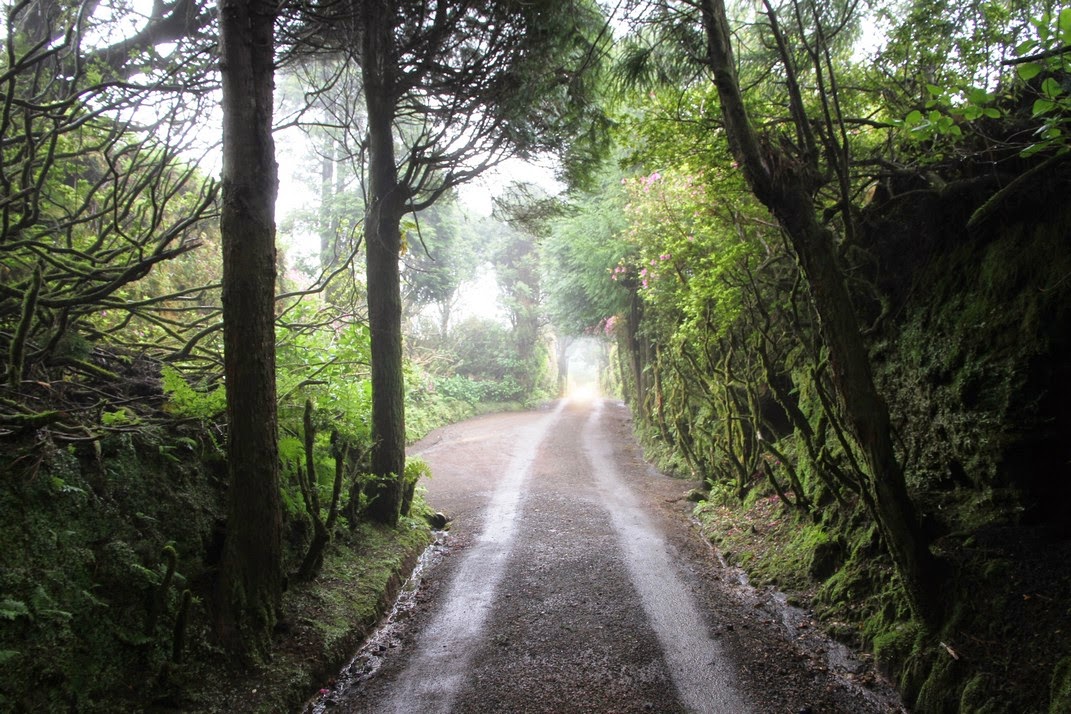
The Azores officially the Autonomous Region of the Azores is one of the two autonomous regions of Portugal, composed of nine volcanic islands situated in the North Atlantic Ocean about 1,360 km (850 mi) west of continental Portugal, about 880 km (550 mi) northwest of Madeira, and about 1,925 km (1,196 mi) southeast of Newfoundland. Its main industries are agriculture, dairy farming (for cheese and butter products primarily), livestock ranching, fishing, and tourism, which is becoming the major service activity in the region. In addition to this, the government of the Azores employs a large percentage of the population directly or indirectly in many aspects of the service and tertiary sectors.
There are nine major Azorean islands and an islet cluster, in three main groups. These are Flores and Corvo, to the west;Graciosa, Terceira, São Jorge, Pico, and Faial in the centre; and São Miguel, Santa Maria, and the Formigas Reef to the east. They extend for more than 600 km (370 mi) and lie in a northwest-southeast direction.
All the islands have volcanic origins, although some, such as Santa Maria, have had no recorded activity since the islands were settled. Mount Pico, on the island of Pico, is the highest point in Portugal, at 2,351 m (7,713 ft). The Azores are actually some of the tallest mountains on the planet, measured from their base at the bottom of the ocean to their peaks, which thrust high above the surface of the Atlantic.
Because these once-uninhabited and remote islands were settled sporadically over a span of two centuries, their culture, dialect, cuisine, and traditions vary considerably.

The island is magnificiant. This was my 2nd visit here, some spots were familiar for me and some new.
The best way to explore the island is on your own. The half day tour cost 60 euros after some negotiation.

The pineapple plantation is very interesting, and the fruit has really  fantastic taste. MUST TO TRY!


Lagoa das Sete Cidades "Lagoon of the Seven Cities") is a twin-lake situated in the crater of a massive volcano on the Portuguese archipelago of the Azores. It consists of two ecologically-different small-lakes connected by a narrow passage (and crossed by a bridge), located inside a dormant volcano on the western third of the island of São Miguel. The Lagoa das Sete Cidades part of a natural landscape of communitarian interest: it is the largest body of water in the region and one of the most important freshwater resources in the archipelago.


Ponta Delgada is the largest municipality and administrative capital of the Autonomous Region of the Azores in Portugal. It is located on São Miguel Island, the largest and most populous in the archipelago. The population in 2011 was 68,809 in an area of 232.99 km².
Our ship docked just in the downtown area, so it was a very pleasent walk from the ship to the heart of the city.


DAY 37-40. Relaxing days at sea

After more than 1 months slavish travelling these relaxing days at sea were life preserver.
MSC DIVINA is a beautiful floating resort.

MS MSC Divina is a 139,400 GT cruise ship owned and operated by MSC Cruises. She was constructed from 2010 to 2012 being originally named MSC Fantastica while under construction. MSC renamed her when near complete in the shipyard to honour the actress Sophia Loren.
Divina is the third ship of the four Fantasia-class cruise ships, built after MSC Splendida and MSC Fantasia, and followed by her identical sister ship the MSC Preziosa. Divina and Preziosa are larger than the previous ships in the class. 4,363 passengers in 1,751 cabins are accommodated with a crew complement of 1,325. She entered service in May 2012, with her identical sister ship Preziosa following in March 2013. Divina cruises in the Caribbean and Mediterranean.